

Podcast: Play in new window | Download | Embed
Subscribe: Apple Podcasts | Android | RSS
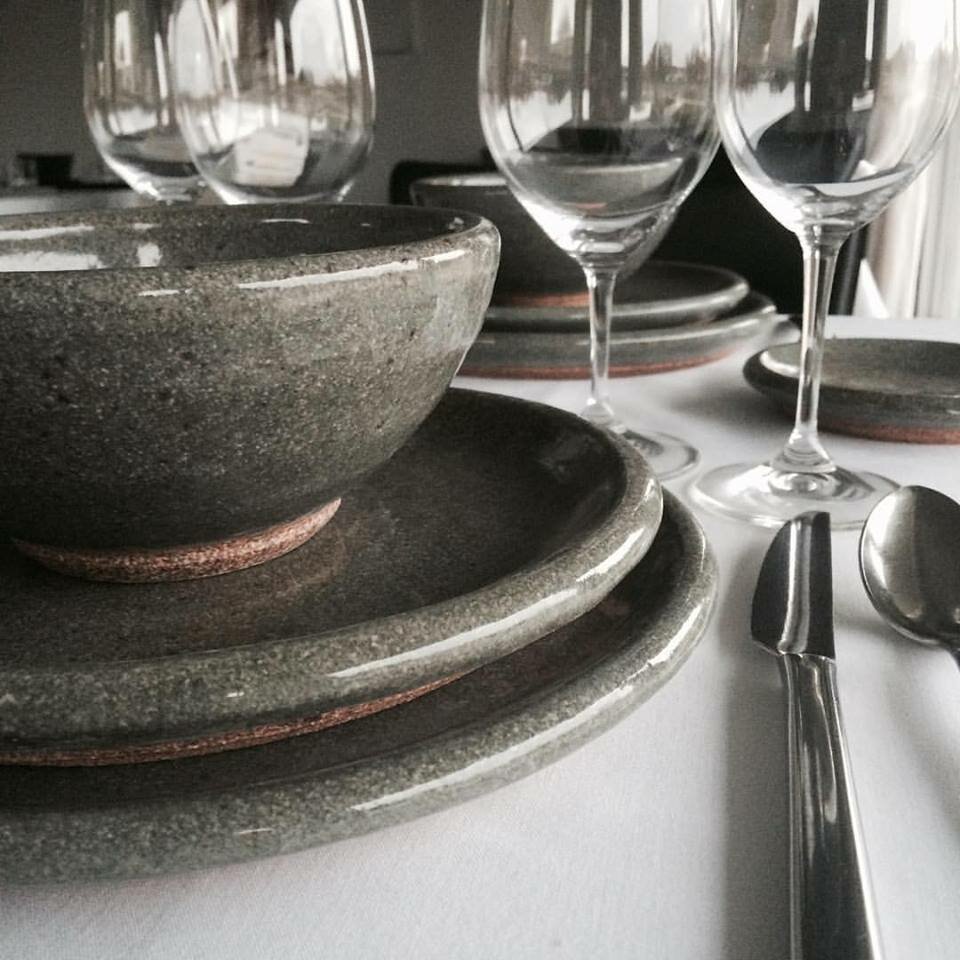
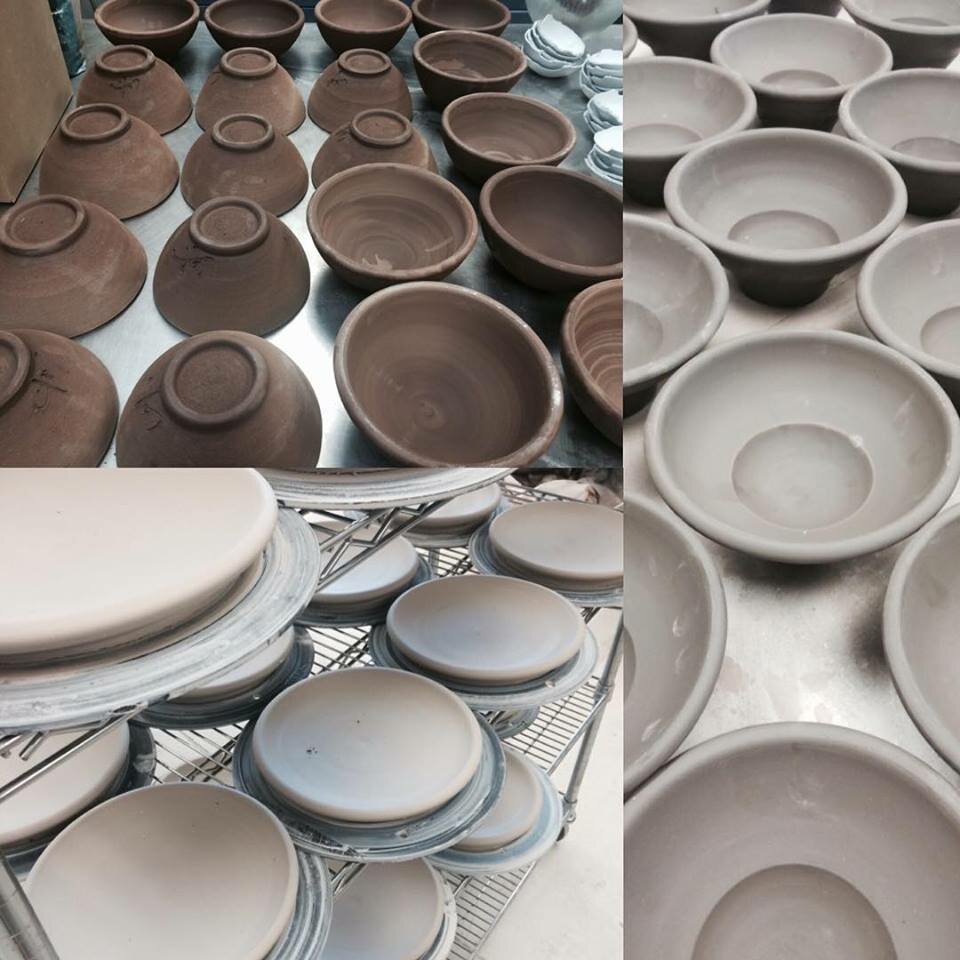
In this episode of the podcast we sit down and chat with E Clark Marshall with CM Ceramics. We find out his story. We find out what got him interested in ceramics and pottery, his interest in art, the restaurants that carry his dinner wear, and what motivates him to create. He also shares stories of teaching ceramics to high school students, his thoughts on Salt Lake City, and of course his favorite local eating spots.
Check out CM Ceramics online http://www.cmceramicart.com/
Be sure to connect with CM Ceramics on Facebook https://www.facebook.com/cmceramics/
Other links:
Be sure to join our new I am Salt Lake community group on Facebook https://www.facebook.com/groups/1252060254810776/
Be sure to ‘like’ the I am Salt Lake fan page https://www.facebook.com/IAmSaltLake/
Connect with Chris Holifield on Facebook https://www.facebook.com/holifield
Connect with Krissie Shelley on Facebook https://www.facebook.com/KrissieCope?fref=ts
Show sponsors: Olio Skin & Beard and Distillery 36
Episode Transcript:
Showcasing local talent professionals and everyday people making Salt Lake City for what it is today it’s time for another episode of The Salt Lake pod cast.
Chris Holifield:
I want to welcome everybody out today to episode 237 of-I in Salt Lake podcast. My name is Chris Holifield. I’m here with my co-host Krissie Shelley. How are you doing Krissie.
Krissie Shelley:
Excellent. I’m in the beautiful Liberty Park area.
Chris Holifield:
Yeah we’re at Liberty Park actually right now. We decided to get out instead of recording in our hot apartment. To come on down and get some of the breeze of the day of the afternoon.
Krissie Shelley:
And we’re at a picnic table in the shade.
Chris Holifield:
It was kind of tough to get a picnic table though that kind of was it’s a it’s a very busy day everybody’s out here trying to soak in the last few days of summer. Yeah I mean I guess there’s probably a good month or so left of summer.
Krissie Shelley:
True but everyone’s going back to school soon. So you’ve got parents with all their kids playing here.
Chris Holifield:
Yeah. We’ve been we’ve been busy though we’ve had a lot going on. That’s actually another reason we’re recording here is because our office space still is not ready to podcast out of yet. It’s in the middle of being prettified predefine painted. We decided to paint it. We we didn’t want to look at you know god awful white walls. And so Chrissy convinced me to let us paint it convince the owner of the building to let us paint it. So we’ve been busy painting. So we’re kind of in-between. We still have our old recording place that we still are recording our interviews at but we’re kind of in between. And so that’s why we’re recording the intro in the outro this podcast at Liberty Park today which actually is an awesome idea. It really is. We should we should have done more of this over the summer. Today on the podcast though E. Clark Marshall joins us. We find out his story. Find out how he got interested in pottery and ceramics.
Krissie Shelley
I know you’ve actually known him for a while. I knew him while he was traveling and when he really got into pottery and I knew him when he wanted to be a professor. So did you know a whole lot of the story that he shares with us in this episode. You know I knew bits and pieces but not nearly as much as we found out.
Chris Holifield:
When you get an interesting guy when you sit down with somebody and you pick their brain you find out everything you learn so much about him you do and everything clicks.
Krissie Shelley:
It really does. He’s a brilliant guy.
Chris Holifield:
We’re going to get into that story here though in just a minute before we get into that though Kristie let’s give some love to our sponsors. We have some great sponsors for the podcast. Olio skin and beard. I know you’re a big fan. I’m a big fan of their products as well. Beard oils beard balms beard washes…
Krissie Shelley:
Face scrubs face washes skin oil.
Chris Holifield:
Absolutely. Olioskin.com is their Web site. Head on over there buy their products get them shipped directly to your doorstep that way you’ll be ready when winter rolls around. I know it’s hard.
Krissie Shelley:
Your skin gets really dry in the winter.
Chris Holifield:
It really helps my skin gets dry all year long here in Utah. Yeah especially my beer. That’s why I like to get the beard oil. Scrub it in there. Get it under the beard hairs right there on the chin area and rub it in distillery 36. The other sponsors of the pod cast great local distillery, Distillery 36, right here in Salt Lake. Distillery36.com is their Web site. You can buy their rum, Brigham rum, pretty much at every state local state liquor store here in the Utah area I think they’re all over Utah.
Krissie Shelley:
Yeah pretty much almost every liquor store you can find them in.
Chris Holifield:
And so go to their Web site distillery36.com. Find out more about their product and try some of their rum. Like I said Clark Marshall’s on this episode we’re going to talk about Kraft Lake City though after the interview you and I had a great weekend there and we had a great week in a Catholic city got to talk to a ton of local crafters D-I wires. Yeah to speak. I want to talk about that though after the interview we did with you Clark Marshall. We recorded this at a at a different location so it wasn’t at the park. We chatted with him there. But stay tuned for after the interview. We’re going to talk about Craft Lake City and some other fun stuff. So without anything anything now to say. Do you have anything more to sa, Krissie, before people listen to this interview.
Krissie Shelley:
No. Ready to go. All right let’s do this everybody.
Chris Holifield:
Thank you so much for listening. Here is the conversation with E. Clark Marshall.
Chris Holifield:
Very good. I think we’re we sound good. You got your beverages.
Krissie Shelley:
You’ve heard people not by your your ceramics because you’re an Aquarius.
E. Clark Marshall:
I…you know to my knowledge no. But I suppose yeah that might come.
Chris Holifield:
That’s for being just absolutely great feeling now. OK so it’s Clark Marshall right. Clark Marshall is kind of how. That’s the formal full name. E. Clark MARSHALL So when somebody comes up to you on the street they say hello. Clark Marshall I wouldn’t mind you Clark but Clark is fine.
E. Clark Marshall:
I mean Edwards my first name but my parents named me Clark Edward was. My grandfather was Edward Norman and my parents had had five boys and not named anybody after grandpa. So they want to name me Edward Clark. So I got to be Edward Clark.
Chris Holifield:
I just wanted to make sure I was pronouncing that correctly you know you got it.
Before we get into the interview, I want to give props to Distillery 36 for supplying the beverages tonight.
Krissie Shelley:
Delicious beverages.
Chris Holifield:
Check them out at distillery 36 dot com. But back to you Clark. Where’s home. Where did you grow up.
E Clark Marshall:
I grew up with the exception of the first five or six years of my life. I was in Alpine and then parents moved to Provo.
So I am a native Provo and so Utah county. Yeah you know it’s so fascinating to me the amount of people in Salt Lake City from Utah county. Yeah. And how really how liberal Salt Lake City is now. In my opinion and there are all these Utah County transplants right. It’s very culturally homogenous I think is kind of saying. Yeah exactly. Just in the sense that you know I think if you’re Mormon and married and have kiddoes Utah values fine if you don’t fall into that category it’s not the most exciting place to stick around. I’m probably offending some people who you know it’s like we’re not out to offend anybody. I mean a lot of listeners know I grew up mostly in Utah myself. I know Chrissie you spent many years in Utah County yourself lived there for a long time and I still have family there.
Chris Holifield:
You know I don’t make it down there as often as I should, I have family down there as well.
E Clark Marshall:
So my folks are down there I suppose to my dying day I’ll consider that home. I mean that’s a big chunk of my life there. Sure. Sure. Still when fall hits I’ll still spend a lot of time down.
Chris Holifield:
Did you go to school down there too or like like or was it like I’m furthering like like high school college university? Did you high school in Northern Provo?
E Clark Marshall:
I did my first two years it was you at the time. OK. Now you know I transferred to Utah State after that I had a brief stint back in Provo super This is my late 20s lots of student debt no idea what I wanted to do with my life. And it was the height of the recession. So I ended up back in my parents basement there for a brief stint in my late 20s.
Chris Holifield:
You know there’s nothing wrong with that. No. I think a lot of people you know I don’t think it’s so uncommon anymore. Right. But there was a time I think it was pretty much everyone did it.
E Clark Marshall:
Yeah I would say oh yeah no I remember it was almost like being back in the old neighborhood because the difference was a lot of them were couples and they had kids and they were back in mom and dad’s basement. Right or in my case I wasn’t married and didn’t have kids. But yeah for about a year or two it almost felt like being back in the old neighborhood a lot of people. What the recession 2009 2010. Somewhere in there in 2011 a lot of people were sort of back home with mom and dad knows just how that was you know so well let’s it’s getting.
Chris Holifield:
I want to get into your ceramics and pottery I don’t know what the correct term is for it. OK. I mean did you come from an artistic family.
Chris Holifield:
Was that kind of how that stemmed from. Or at what point were you like OK I want to pursue this or is that jumping ahead a little bit or no it is along in your timeline.
E Clark Marshall:
So I came from a family that appreciated the arts. My mother taught English in high school. They took us as often as they could done the Shakespearean Festival. Parents were always reading books and about history. They’d take us to see what things like Mannheim Steamroller and so the arts were a pretty big part of the parents took me to Europe when I was 12.
Krissie Shelley:
Wow. That must have been an experience for 12 years old.
E Clark Marshall:
Yeah that was a life changing actually.
I mean aside from for example we were in Amsterdam for a few days aside from the obvious cultural differences between Provo Utah and Amsterdam. That was eye opening. And we spent most of our time in museums which were 12 year old kid was it was cool for about five minutes. But somewhere somewhere along the line that that rubbed off on me I caught the bug so I go back to Europe every couple of years I’ve lived there about four years total over the last what over the last 15 years I’ve probably spent four of them in Europe. So there is I would say I wouldn’t necessarily call it an artistic family.
I had a brother who sang and Enquirers and studied sort of voice and at BYU. But it was a family where we really appreciated the arts. I had an uncle that drew for Disney back when before Pixar right when there was still sort of hand-drawn cartoon hand-drawn cartoons he did what Animaniacs and Tiny Toons he did background for both of those.
Chris Holifield:
So so was he an inspiration to you.
E Clark Marshall:
Honestly not really it was just it was in the family you know I mean just to say that it was just there it was just like OK that was just like a family member that was a mechanic or something.
Well it was cool to see your uncle’s name in the credits after school everyday. You know I’d come home around 3:00 and watch Tiny Toons and Animaniacs back to back and see my uncles name there. So there was art in the family all of my older brothers took art classes. And again I think with the exception of the one that did choir they all took ceramics and would bring home their finished pots and pottery. And so that brings us to you high school if you went to high school with. With rare exceptions everybody took this pottery class from a guy named Andy Watson and Andy Watson was this kind of relic of the 60s the super hippie Potter. You know he would he would he had quotes on the board and in a word every day on the board and he played Bob Dylan we’d study like Bob Dylan lyrics and and he had this old record player and play you know so it was almost it was almost as much a philosophy class where he was challenging your intellect as it was pottery but pottery became this huge part of it. So I knew I would enjoy it. Well and backtracking a little bit. I always took art classes in junior high. Right. So I always enjoyed doing it but I had this feeling pottery ceramics was going to stand out in my future and and let’s see my junior year when I finally took the class. I caught the bug and I was I was in that studio.
In retrospect now that I teach high school in retrospect he bent over backwards to let me be in that studio and I probably really shouldn’t have. You know they sort of frown on on a student just sort of running amok in a classroom.
Krissie Shelley:
When a teacher isn’t there but which just kind of dumb. It is like punishing creativity.
Clark Marshall:
It is. But we live in a world where liability is our number one concern. We’re so. And unfortunately I look at it that way now. I have I teach at the largest high school in the state. You know I have 250 kids.
Chris Holifield:
In your classroom you teach 250?
Clark Marshall:
But if I were to let them stay in there all the time aside from the studio probably being a disaster man you know it’s always going to be the one day that I sneak out early and let them stay that somebody slips and falls on a on something and you know what I mean.
Krissie Shelley:
Yeah. Are you still in contact with this teacher today. I mean are they are they impressed with what you’ve done with your skills?
E Clark Marshall:
So the LDS church does an international show every three years and this has probably been five years ago he and I got into the same show and it’s actually really competitive. They took about 1200 entries worldwide and only display just under 300 pieces. So he and I both got into the same show. So that’s been cool. We stayed in touch. He moved back home to Montana whenever he’s in town. He tries to hit me up but I don’t make it to Great Falls Montana very often. Matter of fact we’re still on vacation. Yeah exactly. It’s a hotbed,
Krissie Shelley:
for fun?
Clark Marshall:
For farming and so forth. In any case it was kind of one of those things when I started teaching again.
I taught when I was early college student I taught ceramics and then I came back to about 10 years later he actually came by my classroom about this year because this is my fourth year back teaching.
But it was kind of weird to have this little little vision when I started teaching I thought you know he’s going to find his way into my classroom at some point and I’ll get all of my kids you know to time your grandfather is in pottery.
Chris Holifield:
So so so I apologize if you said it already but for the sake of the recording you’re at your high school teacher that teaches ceramics as well. Correct. OK OK because I caught that somewhere along the way. Right. I wasn’t sure if the listeners did just kind of get the story laid out so I mean that’s fascinating I mean not only do you teach it but then now you sell it. Yeah.
E Clark Marshall:
Having mentors growing up was huge for me. And so to be able to turn around and return that has been huge for me. It’s actually a huge source of energy. Most days.
Krissie Shelley:
Have you. Have you found a student that you see the passion that you had at that age?
E Clark Marshall:
Yeah but every three years, well, back up a bit when I when I got back from I call it my religious internship. When I went to Rome for two years and came back and when I was a freshman and sophomore in college Provo high school needed a ceramics teacher they didn’t have money to hire a full time teacher. And so they they opened up the offer offer to non degree bearing ceramic artists. And so as a 21 22 year old I got to teach I got to be Mr. Marshall I teach ceramics approval high. So that’s where the journey started. I did that for a couple of years and then went to college went overseas to Europe for graduate school came back and I thought I want to be a professor and I do still teach part time at Utah State. I teach art history Oh wow. And that’s fine with me on a part time basis. I’ve even sort of there’s been some offers on the table in the past to do the college thing full time. But somewhere along the line of teaching high school students and teaching ceramics to high school Students just stuck out of my mind as something I wanted to continue to pursue. So I’m back to teaching high school about four years ago. So yeah. I sell a great deal of work which I suppose is rare for a high school teacher to have you know…
Krissie Shelley:
A relatively successful business.
E Clark Marshall:
Yes. I wanted you to say it, not for a high school teacher to have a relatively successful business as an artist, is rare unfortunately.
Krissie Shelley:
But, I mean you’re taking time to teach these students and do all that and then you have to use your spare time to run this business which is amazing and you’ve actually gotten dishware in a ton of local restaurants, correct?
E Clark Marshall:
Yeah. So which why you mentioned that which restaurants are like the last you know let’s brag a little bit. Yeah. It’s interesting because whenever people ask me I always leave somebody out. So if you do. No hard feelings right. No hard feelings.
Bearing in mind I might leave somebody I started with forage that was the first venture into that field. From there it went to previsions restaurant Naked Fish Tupelo and Park City which is a fairly new restaurant on Main Street. SL I’ve done a set for them which is handle’s Salt Lake location stone ground which is the second floor sort of Italian restaurant that overlooks the Salt Lake library downtown. They’ve got some great great cuisine going on there as well. I’ve got one in Seattle or it’s actually it’s one of the islands sort of out in the island. It’s called Friday Island. I mean I know there’s a handful I have some relatives up there would be and I might actually go up that direction here in a few weeks I decided I’m going to give myself a one week summer break one week one whole week.And so I’ll probably drive up Washington Portland area and see if those restaurants.
Chris Holifield:
And so do you approach these restaurants then.
E Clark Marshall:
You know I’ve learned through hard experience that that isn’t my energy. I thrive with people approaching me. And so the most I’ve really done to get my name out there in the case of forage I actually was more concerned. I wanted to be a server at Forage and so I ate there several times and I bugged them long enough when they had an opening they they interviewed me in and I got it. The thing was I was back to teaching at that point. And when you’re eating or either when you’re serving at a restaurant like forage and they’re changing two or three plates a night they insist that their serving team be there every night of the week. And so I got the job mid-summer. And even with my mid-summer schedule which was fairly open at the time I still just realize that 40 hours a week teaching and 40 hours a week as a server was just going to mean I had zero time to be a human being. And you know sleep and stuff. So but when I was at four I noticed he had a handful of handmade plates which I thought were kind of lacking in the quality area. So and so I pulled him aside on my way out and it was an amicable thing. It was just an honest evaluation of my time schedule versus theirs. So I pulled him aside on my way out and said Look I know you’ve got a handful of plates that have been made by hand. Lifelong dream I’ve always loved food I’ve always loved pottery. What do you say. You know I put together some kind of portfolio and we’ll talk in a few months and he said Okay. So from then on it’s really you know for it was the restaurant where if you were a foodie or a restaurant tour or a chef and you wanted to treat yourself to a meal that was a place to get a place to go absolutely So all of those. So it essentially became kind of free advertising you know.
So people would come in there they see these you know plates and whatnot and then they’re like I got to buy some of these myself.
Yeah. And this is Bowmans mission the head chef former head chef. It really became a really important part of the experience there. The last two or three years the restaurant was open so they handed out a lot of cards on my behalf. You know people are really curious about the dinner we’re in this and the other so that’s when I had done farmer’s market in previous years as a studio artist I was sort of waiting tables and doing studio art. And then I started teaching at half time didn’t want to spend my summers you know working which is ironic because that’s kind of where I’m spending your Saturdays right we’re talking the downtown farmer’s market exactly going up every Saturday. And now this year let’s add you know personally the Sunday market. And so you’ve got. So when school starts I will quite literally be working seven days a week.
Krissie Shelley:
Oh wow.
Chris Holifield:
So why we’re why we’re on that subject of farmer’s markets. For people listening right now. So on set so you’re at the downtown farmer’s market every Saturday. Yeah. When are you going to be doing this through October through the end of October and then park silly every Sunday and that goes through I think September 17th. OK. Well that way people can come check your stuff.
E Clark Marshall:
So then I’m in the same spot. Both markets every week so right across I’m on 4th west right across from big deconstruction.
Know on the west side it seems about me and then right by Atticus coffee at the park silly Sunday market every week. And so yeah people can come see the stuff in person and I actually have a sign in my booth that says Please touch.
Because it’s tangible art.
Krissie Shelley:
You had to call H.R.
Christopher Holifield:
For inappropriate touching.
E Clark Marshall:
I know I’ve had a few parents bark at their kids you know. And that’s what people are afraid to touch before you put the sign up. I mean literally you must thought well there’s a reason to put this.
Chris Holifield:
So. Sort of bouncing all over the place here. But it’s part of the beauty of a podcast.
E Clark Marshall:
I noticed Bohman Forage liked earthy colors and that’s the whole point of what he did at that restaurant was you know even if it’s January there’s still things outside that can be brought out of the earth and Forage used it in food. There’s still flavors there isn’t that nature’s giving us. So I knew that he wanted kind of an earthy palate and previously done style of print work which is like silkscreening on pottery and I used ancient text as kind of a design element but glazing those sort of did him a disservice. I was always doing RAW porcelain and then I got to Bohman I thought why don’t I just do rock clay because that’s going to be a fairly repeatable earthy color earth tones right just the raw clay. No no glazes no fancy reds or shiny blues or anything like that you normally see it markets. So that’s kind of the style that got developed. But what was cool about them is honestly raw clay right out of the kiln is really rough and not something you would want to hold in your hand necessarily and certainly not put your lips to or scrape with a fork to get food off of or whatever. So I with each color of clay I surface them differently. So there is quite literally a different texture to each color that I have. And so it’s not that people were afraid to touch but just that I wanted people I rather want people to experience that aspect of my work which is is it’s meant to be tangible. I call it’s tangible art. There is a salt lake magazine article about me last year and you know one of the first couple of lines was you know you wouldn’t run your tongue along your custom cabinetry at home but but that’s exactly what Potter is and it’s a weird word to use sometimes but it is intimate art you’re touching with your fingertips you’re talking with you with your tongue with your lips you’re interacting with it in a way that you just don’t with other forms of artwork.
And so yeah touching is huge and people sort of chuckle at it and say oh you know please touch her or rather you’ll see kids touching and parents will come by and bark at and say what does the sign say please touch it and say Oh OK.
That wouldn’t break anything
Krissie Shelley:
Has anybody broken anything. I am sure. Come on. For real.
E Clark Marshall:
No not in my booth. Really I give them the stink eye and they just they know I was just wondering like if that you know that little 3 year old boy comes along and breaks like a whole set. Yeah their parents lost hundreds of dollars.
Ah man I certainly have daydreamed about how to handle such a situation but it’s never happened. You know knock on wood. But usually parents live with kids that are prone to break things or keep an eye on him gratefully at least that’s been my experience so far.
Chris Holifield:
So what about any stores. I mean does anybody sell it. Can people buy it during the week or they have to come to you at the farmers market?
E Clark Marshall:
Like I said that’s that’s sort of my energy is people coming to me. It’s always worked out better for me. So the most I’ll do as far as getting myself out there is signing up for a market. I’ve tried the single weekend arts festivals and I think if pottery is inexpensive it can be an impulse buy. But where I’ve I’ve even this year alone I just sort of sat down and said You know I think pottery as a craft is undervalued. So I went ahead and just doubled all my prices this year and the reception’s actually been you know at least the people that understand the process understand that yet it’s worth what I’m charging. So just to say that single weekend festivals it’s not really an impulse buy.
Even people with the money to afford an entire dinner or a set of handmade dinner where maybe still need a minute to think OK if I’m going to make this purchase what color are going to fit best with my cabinetry or which cabinet are they going in. I don’t know where said I’m doing for a client and they have this marvelous old Victorian house that they’ve restored and the cabinets were too short for the large size of plate that I typically carry. So you know they had to think about it for a day and measure their cabinets and say OK we can’t buy the large one can you make a smaller one to substitute for this etc.. So generally I try to do markets where I’m there every week stores I don’t think Salt Lake is there yet. I mean there’s there’s probably one or two places where they teach pottery classes that have some kind of showroom where you can buy handmade pottery during the week and maybe a handful of little shops here and there that might carry handmade pottery. But I hate internet sales. It’s just not my thing. I can’t feel like I’m working when I’m in front of a computer. I have to either be completely relaxing and watching netflix. Then I’ll be in front of a computer like my laptop or I have to be making pots so I have an apprentice that loosely keeps up some semblance of a shop on Amazon actually has a handmade tab now. So you’re so you’re on Amazon. I am if I’m being brutally honest it’s not set up yet. I mean there’s there’s a few things on there but the the real selection has to be had.
Chris Holifield:
Do you have do you have a Web site so people can see photos. Yes I mean I’m thinking of even listeners outside of Utah that I have.
Of course I would. You know obviously even towards the end we’ll mention all your contact but you know we talk about farmer’s market we talk about these restaurants so people can come see it they can buy it on the weekend. I mean those the only options I guess to check your work.
E Clark Marshall:
Well you know what I tell people is contact me directly. I would say updated the most because of the ease of doing it is going to be my Instagram page which is just CM ceramics CMceramicart.com is the web page. But even then I don’t. I can barely check my email on most computers. And so that’s why I say Instagram is the one that’s set up so if somebody were to scroll through the Instagram and see a handful of things they were curious about they could reach out and reach out to me and tag and say hey do you have any of these in stock and if they’re not. Truthfully not a huge turnaround time. You know four or five weeks if I don’t have something in stock. And so I’ve facilitated a lot of sales that way too. And is it difficult to ship if people order from farther away and shipping SoCs stuff breaks. Man Yeah it does and I have. You know you see these these kind of blooper reels of FedEx dude tossing boxes over fences and whatnot and it kind of has to be true because usually when you ship pottery you double box it you do a lot of padding in one box and then about two inches of peanuts on all six sides and I’ve still had stuff break. I mean not once not even just once like a handful of times. And the bummer with that is like I’m really the only one that suffers the loss because the clients still don’t you know they order 20 bowls and they only got 19. I’m still have to send them another bowl and pay for shipping. So needless to say I’m more than happy to ship.
But yet since you’re asking it’s a huge pain so it’s probably why you don’t go out of your way to really I mean it would be tough in your business to really have a huge Internet presence. Yeah a lot of mail order because you’re going to run into a lot of hassle and it’s an in-person type of thing.
Again I go back to the please touch sign. It’s if they’re visually appealing. I love that. But again the real happiness is to experience them in person in the first place. But I’m still kind of a young business.
You know so things like that I’m confident I’ll have to work out and long term at least with a dinner where there actually is a shop locally that does manufacturing which puts me as a designer in that case. If you’ll notice on my Instagram page it the first thing at the top is ceramic designer because long term two things. One I’d like to be able to offer a lower price point both for clients and for restaurants. I can’t do that making them by hand. You know that’s the thing it’s kind of hard to explain to restaurants sometimes I don’t I have restaurant pricing. And part of that I allow because I know it’s going to be free advertising. Sure people are going to eat off those plates for again some restaurants at this point have had some. So in my place plates. But three years you know. So that’s a lot of people eating off of.
Krissie Shelley:
We’ve actually off your plates where we were at Pallet with a friend, and she was like “Clark Marshall makes these plates”. And I was like “I know Clark”.
Chris Holifield:
She actually tried to give me one of your cards. Well now I already knew how to get in touch with what we were talking podcasting and whatnot. Very cool.
E Clark Marshall:
And now I feel bad for forgetting Pallete because it’s a wonderful crew down there.
Chris Holifield:
And honestly it’s one of my least favorite questions to ask people to put them on the spot to remember all these things they have to give.
You know remember certain people but I you know I just thought for the sake of the recording it would be fun to mention some of these restaurants for people listening to you with the with the plates and whatnot and then that way when they’re eating there next time they go I listen to that guy’s podcast. Cool but you know and that’s kind of the purpose of I am Salt Lake is to allow people to connect with people like yourself that they might see you at the farmers markets they might be familiar with your dinnerware but they don’t really get to know who is Clark who is this guy behind the plate. Cool.
Krissie Shelley:
Do you have a favorite piece that you’ve ever made?
Chris Holifield:
Oh yeah there’s an interesting one that is an interesting question and like a favorite child or have you ever just made something so obscure? You know…something.
E Clark Marshall:
Yeah you know I’ve got one there is that porcelain tea cup that I made quite a few years ago and I was doing the printing the printing I only do now a days on commission because it’s a lot of work.
And again I got to a point where I just said if it’s going to be worth my time I have to charge X amount. And so my print stuff I think I might have priced myself out of the market here locally which is which is fine. But I leave some of those up in the booth so people can at least see that it’s available they’re gorgeous but it was it was Italian writing some ancient Italian writing Michelangelo and a few other artists sort of printed on the porcelain cup. And I’d done some chemistry. Cool thing about pottery is it’s poly art poly science. So there’s days where I’m a chemist where I’m doing algebra and figuring out equations and stuff. But I had used this soluble form of cobalt which Cobalt will always give you a blue but it was a cobalt chloride which means literally the metal dissolves as a solution in water and I’d use that to print the layer of text on the piece.
And because it’s soluble it actually soaked into the into the clay and then I print the sharp text over the top so you have this blurry underlayer of text that you probably couldn’t even read it was so blurry. And then the sharper layer over the top so it’s almost like visually and I did a series of a bunch of those but there was just this one Tea-Pot that I like I couldn’t part with. Somebody could pay me you know a lot of money well over a thousand dollars $2000 maybe to part with this thing. But I still have it.
Chris Holifield:
You were afraid to put a number out there.
E Clark Marshall:
Yeah I really was I nervous.
Now someone’s going to ask for 1500 the minimum on the 2000 problem which is hilarious so there was. Is it hard to put a price point on it really is. I mean really it must be just so difficult. You know I took two summers in a row.
My summer of my junior and my senior year of high school I actually drove all the way to New Mexico to do Native American handmade pottery classes with these two really famous Indian Potters Native American Potter’s parents took me to first summer and I went myself the second. But their work, they said, they always get a little emotional and they have to part with the piece because it’s like selling a baby and it sounds like you know part of you into it.
Yeah yeah. And I you know at the time in high school you’re just I was sort of happy to have sold something. I know there was a few pieces I held onto and then you know five years down the road you’re like wow this is crap and you just end up throwing it away anyways. But I’m sort of past that if I say something now. It really is valuable and somebody likes it enough to pay a certain amount for it you know it’s going to a good home I guess is the way you look at it. So but yeah value so I talked about earlier but I don’t think a lot of people realize pottery is probably the most expensive handcrafted art on the planet.
Well throw on pottery and let me just let me qualify that just a little bit. Glassblowing I think if somebody was hand blowing your hand making glass dinnerware sets you know $1000. That said I don’t think anybody would flinch you know glass is viewed as this. Maybe it’s because it’s more delicate and maybe it’s viewed as more challenging. But as far as cost you’re going to spend a lot more on a good ceramic studio.
I think for you’re going to have a couple of different kilns you’re going to have kiln shelves you don’t need kiln shelves if you’re doing glass unless you’re doing slump. I’m talking glassblowing so I don’t know maybe it ties for glassblowing But but again nobody would go to a farmer’s market or an arts festival and question the price of glassware handmade glassware. I just I just don’t see it. You know nobody would think of even your wine glasses your really nice high end wine glasses that are handmade. Nobody looks at a $100 or $200 wine glass made by a special so and so, I don’t, I can’t think of any names but nobody really questions that. But with pottery I think we’ve just been conditioned.
Krissie Shelley:
You can go to Wal-Mart and grab it.
E Clark Marshall:
You’ve got that option you’ve got the $1 option or even Ikea makes pretty decent dinnerware and it’s not more than a couple of bucks a plate.
Krissie Shelley:
We saw a video though that you put out of you making. I think it was a large bowl. And I was like holy crap that’s a workout yeah. Oh that was fun. I mean I don’t think people realize how much work you actually put into it.
E Clark Marshall:
Yeah and especially the larger pieces. Again I hate to say it but you’re thinking like Pier 1 Imports or you know a handful of stores like that even a large vase that’s maybe 20 25 inches tall. You know a nice round piece that you would put in the middle of a coffee table or mantel piece or whatever they’re kind of pressed by machine in China by the millions and even that’s something like Pier 1 You might swing 100 200 but they’re getting something that’s unique and custom. Yes so it’s it’s getting the I hate to use this word consumer collectors probably a better word. It’s getting the collector to understand what it is they’re getting. You know I’ve sold pieces like that for over a thousand dollars but he was a ceramic collector so the value to him. He understood the value and. Yeah but again anything in my booth priced over a certain amount sort of gets a lot of eyebrow raises. Part of that could be Utah not to not to knock it but there’s there’s forms of art and subjects of art that fetch a higher value here in the state and I’m you know I’m OK with that life.
Chris Holifield:
But have you ever had anybody actually say anything to you like we know these prices are ridiculous?
E Clark Marshall:
I, I wouldn’t say they’re rude about it but I’ve had a few people just you know sort of seen I would just think keep something like that to yourself. Yeah. I mean whatever I see I don’t think you can put yourself out there particularly as an artist without understanding some people are going to that is scary. But you know you’re right it’s it’s putting value on it is really tricky. But I as I started to tiptoe into my own studio this year just looking at basic costs for a good ceramic studios 10 or 15 grand pretty pretty easy to get set up and run and to make 10 or 15 grand in profit. Beyond that even for somebody like me where I have pretty consistent clientele asking for more I’d still take quite a while you know sort of and a lot of people don’t understand that they don’t understand that you actually have overhead and you need to keep taking care of yourself so you don’t make these things.
I still have pretty nasty student loans from my time in Europe. So yeah it’s a it’s a delicate balancing act. Now people come into the booth and say that a fair amount if they’re kind about it. I’m happy to entertain a conversation. And it’s essentially along the lines of where we just you know have you had people haggle you like. So it sort of depends on yes.
Krissie Shelley
We’re just giving people ideas so when they visit you.
E Clark Marshall:
Right. Right. It sort of depends I it depends on the audience. Maybe I shouldn’t say this on the podcast if it’s at the Farmer’s Market in Salt Lake. I’m not averse to a little you know hey can you come down a little bit on this one or that one because I am asking towards the high end of what I like. If it’s up in Park City I’m always I’m always a little hesitant to haggle.
You know if you’re decorating your fifth house which is one that’s maybe why no but that’s probably why they can afford it. And I’m sensitive to that too.
A guy came through the booth a few weeks back in Park City and you know he just you could just tell he was used to buying stuff for his wife and he said about this one and she said yeah I want that. He puts it well about this which is why he said OK well. And then he immediately started haggling. But I could sort of tell that was his industry that was his business was sort of working that out. But but again like I said if you’re, and that is the case with a lot of people up in Deer Valley Park City area that’s usually that’s usually not necessarily their full time place of residence. They’ve got a house and they’ve got a house in Houston or whatever and they’re just finishing vacation and furnishing vacation homes. I sort of figure I don’t I don’t know that much haggling needs to take place there. I mean as is. There’s what they call. Right you’re fine china. The stuff you put on the registry. There’s I’ve seen place settings out there from some of the higher end companies again I don’t know exactly what that means in industrial ceramics but there’s higher end companies that will charge $500 a place setting. And none of them are handmade. That’s the one thing you will never find in commercial China is they might be hand-painted but they’re not going to be handmade. They’re still going to be pressed off a machine and hand-painted might look like an assembly line. Right. One guy puts all the stones on the roses and the next guy puts the pink Roseleaf on there and the next guy puts you know the purple violets on these two corners or whatever and that’s their version of hand-painted. And again. So somewhere out there there’s there’s a handful of capitals making a lot a lot of money on an industrial You know chinaware. But I don’t think at the upper end which is the porcelain which I sell is $350 a place setting which includes a salad plate dinner plate bread plate and a bowl for being handmade. I still find that again compared to what’s out there fairly reasonable.
So I’m not averse to haggling I don’t necessarily like to but it happens.
Chris Holifield:
Do you feel that being in Utah holds you back in that apartment at all. Do you feel that like maybe you could be much more successful living outside of Utah. You know I’ve toyed with that one a lot.
E Clark Marshall:
Part of it is saturation. Right. A lot of people recommend for example Portland but I’m aware that there’s entire neighborhoods in Portland that are Potters. You know there’s like these famous streets in Portland or Seattle where it’s all pottery.
Right. Like all the neighbors like the whole like like just it’s like this tiny little community of Potter.
And that’s not to say the ones that are sort of intermingled in and sort of sprits throughout the city. So I don’t know. I’ve thought about that. You know I’ve thought you know for what I do wouldn’t Manhattan be perfect where you have some of the top rated restaurants in the world. Chicago Similarly I think I’m probably more interested in breaking into those markets through connections because I think you would just like disappear like like you wouldn’t like I think in Salt Lake.
Chris Holifield:
You know, in Salt Lake City, you stick out a little bit. You know it’s easier to remember people like yourself or you know anybody in the creative scene versus a big city like Manhattan or Congo or Miami whatever you know the big fish little ponds small fish pond kind of thing.
E Clark Marshall:
And so I would you know again when those opportunities come up via Instagram I’ve had a few chefs contact me from New York and oddly Montreal I’ve had like three restaurants from Montreal contact me. So I think it’s more of a tiptoeing thing but I think my base of operations is probably going to be here for the foreseeable future. But no I’ve considered it. But again there’s also the leap. Do I really want to make the leap to full time. I think I’m sure I could.
Chris Holifield:
Would you like to be full time doing it?
E Clark Marshall:
I kind of don’t.
I have this weird I call it lifestyle lady. You know I can put in an 80 hour week it just can’t be at the same job. So that’s why I say I teach at Utah State. I teach at the high school. I have this I actually have a patent on a glazing apparatus for Potter’s pottery tool.
I’ve put some time and money and effort into marketing that and getting that started.
Krissie Shelley:
Do you feel like when you do one or the other it reenergizes you to move on to the next project?
E Clark Marshall:
Sometimes it does.
Chris Holifield:
Yes so that’s how Krissi is.
Krissie Shelley:
That’s how I am. I have the same problem being an artist just focusing on one thing. You know what I mean.
Chris Holifield:
Like I could probably learn something from the both of you with that type of mentality or that style of working.
E Clark Marshall:
If it was on one thing you get bored. Yeah. Even even days in the studio all have you know I’ll be motivated to be on the wheel throwing and then I’ll throw and then and that’s where it I’ll just get antsy and I think I’ve got a little account and then I’ll kill some more clay or get a mix some clay is I’m trying you know these kind of special projects or whatnot and and you know so even in the studio sometimes I feel like I’m running around with my head cut off because I’ve got five different things to do and I just kind of something you will give you that idea I can take what I’m saying is maybe I could take a chapter from your book too and say you know sometimes it is just a little bit of discipline might help me get a little bit more done. But even on even when I’m in the same spot working it’s a little easier for me to do you work by yourself or I mean to get people working. No I got a handful of apprentices. Bless their hearts. None of them are particularly reliable enough to have around all the time.
I get in a pinch is when I start calling all I’ve got like four or five that I can sort of I was just wondering if you can get lonely you know I mean a lot of you said it sort of depends.
Something Mike Myers said about himself that I’ve always sided with he says I’m a situation specific extrovert. In other words when I’m in the mood for being alone I just I just want to be left the hell alone sort of thing. So there’s days where I really don’t want people down there in the studio. But there’s days Yeah maybe for the sake of moral support it’s nice to have somebody around. And it also depends on what I’m working on. If it’s if it’s work for money you know and I wouldn’t. I mean I love what I do. I love what I do for the restaurants and I love that I’m in the industry and I’ve found a way to make my way in an industry that I love that isn’t you know either serving or cooking. Right. I love that. And would I just for the heck of it sit down and make 40 bowls.
Probably not like you know you want to do more unique pieces as a matter of fact. I’m trying to sort of network with designers nowadays because I’d like to do a larger sort of custom pieces for interior spaces and things like that. So when it’s things like that or I’ve applied for a gallery show this year at art access I don’t I don’t know if I’m getting it or not but if I if I do they’re going to be these very stone like almost altarpiece looking sort of and still meant to be food something be eaten off of. So if I’m working on those and it’s like it’s you know I mean like I’m truly in the element you know that’s when I can be alone for 12 hours at a time and I’ll even forget to go to the bathroom and eat. You know for for 10 12 hours at a time but when it’s work now it’s actually nice to have a handful of people around just to create some synergy and whatnot so keep you motivated.
Chris Holifield:
Yeah yeah.
What motivates you and you don’t want to create? Like do you have anything that motivates you?
E Clark Marshall:
Money money.
Chris Holifield:
Well fair enough.
E Clark Marshall:
Well yeah. And just to say that outside of what I love money is not a motivator. Right. I got talked into doing summer sales one summer and I thought OK if I really dive in and do it I can get my student loans paid off in one summer. I lasted about two hours. I drove all the way to Georgia. I knocked doors. I shattered two different dudes two different mornings and in the afternoon it was my time to just kind of go do my thing. I think I knocked doors for one hour one day in about a half hour. The next day and then I sat on a park bench and waited and waited for my day to finish you know before. And then I packed my car and drove back home.
It was just this was for something besides this was for door to door sales. OK so you my example of how little money motivates me.
Right. Yeah. I’m saying within my field within what I love there’s some days where you know the paycheck gets me to the studio.
Chris Holifile:
Sure. And I think that I really do think that’s OK. Right.
Krissie Shelley:
I mean it’s totally ok. I mean you’re just not a salesman.
E Clark Marshall:
No I’m not. And I again I waited tables I really enjoyed.
But again that’s right. And it’s the same energy it’s people coming to me. Right.
Krissie Shelley:
You’re not knocking doors trying to sell an entree you’re doing things you love and providing for yourself doing that instead of like hassling people to give you money. Yeah I think that’s amazing.
E Clark Marshall:
Well and I tell my students they try to again try to mentor my high school students for more than just pottery that I say look you know you guys are in the stage where people are going to pull you in different directions and career wise and say well you’re smart you should be a doctor you’re you’re good at music you should you know teach or whatever people are going to play in different directions and I say even even when you love what you do and I do what you love what you do there’s going to be plenty of days where you just don’t want to be there. That’s just there’s just going to be days like that particularly now that it’s summer. And as an educator my summers are sacred. Right. I have this tune and two and a half month break and you know I wake up in the morning I really don’t have to go into the studio. I really don’t need the extra money. But the idea of being debt free and I have many loans paid off and this that and the other is a few things. So it is a motivator but that’s within the guise of I’m passionate and loving what I do in the first place so hopefully the high school kids figure that out because it’s funny you guys go to cocktail parties. I mean I go I say what do you do for for work or you know. And I actually try to you know without being a jerk I always ask that question you like what you do.
Yeah I think it’s it’s like nine out of 10 Most people don’t.
You know nine out of ten the answer is like sort of this thing where they put their hand on their kidney and sort of squint and the like you know it’s OK they’ve got some kind of like you just of agony all that something like you just gave me a little sore sore back or something by saying you do you love what you do. And it’s never it’s very much like it’s sad.
Krissie Shelley:
You know I think it’s very rare for adults. Yeah. You grow up and you think I have to do what people tell me now.
E Clark Marshall:
Yeah nine out of 10 is the staff that this is Clark’s personal research you know. And I tell the kids I say this it’s kind of sad. You do need a paycheck. And I think I think the game is a little different when you have mouths to feed. I still don’t. So it’s a little easier for me you know if I decided this was my last year teaching I could feasibly go back to waiting tables and provide for myself just as well. You know I don’t so I realize there’s factors that influence that I guess order maybe you’ll be a little sensitive about it but. Yeah.
Chris Holifield:
So what are some of your other hobbies and interests you know besides making you know pottery and our guests. I mean what else occupies your time.
E Clark Marshall:
I’m actually trained film actor so I have a working real in film.
I don’t get out to audition as much as I’d like but I have over the years developed some relationships with guys that I know are really going to go far in the industry. And so I’ve kept in touch with them to where you know when they have jobs come up I make myself available. Honestly until recently school is a hobby. I have two master’s degrees today and if the first one was in Renaissance art history so my undergrad was in technically art with an emphasis in pottery in art history I did my graduate work over in Florence through Syracuse University that was in Renaissance art history and I said I still teach that up at Utah State and then the second one was sort of an afterthought. I never really wanted to masters degrees but I needed to certify to teach in the state of Utah. If you do that after the fact there’s at least three Utah state there’s a program where you can get a master’s and it really ended up being like nine hours and more at the graduate level just to get a Master’s as it would have been certified to teach. So it almost seemed like silly to say no to that. Now the district I’m in won’t pay me for it which is one of those fun things that you know, do we really value our educators? Anyway they fought tooth and nail to make sure I don’t get paid for a second Masters but I do have a second master’s and it makes me feel smart to say that out loud. So. So there’s that.
Chris Holifield:
Well, you enjoy learning. And there’s nothing wrong with that.
Krissie Shelley:
Yeah. That’s actually impressive I avoided school.
E Clark Marshall:
Oh good for you though. You know. Well having been through two master’s degrees when I meet somebody in their mid 20s that’s maybe done one semester of community college I just give him a high five and say it’s not for you more power to you. You know it’s the sort of Dave Ramsey thing.
I mean what’s the stat something like something like 70 60 70 percent of actual quote unquote adult jobs really don’t require a degree in that field?
You know it’s almost even in our day and age where we insist school is is the end all be all as far as whether or not people are going to be successful. Most jobs still don’t need them.
Chris Holifield:
If you needed to get in the front door don’t you? Well just a degree. Not like a degree for that field
Krissie Shelley:
See, and I kinda don’t want to get too deep into this but I strongly disagree.
Chris Holifield:
But they have it on their requirements. When you go to fill out the application it says right there Master’s.
Krissie Shelley:
Yeah, they say that to filter people out, but if you’re good enough at what you do, they will overlook it.
E Clark Marshall:
You think academia academia is really probably the only field where it’s that’s the lambskin in academia right. Sure. Again I’ve built a good relationship with Utah state and because I was an alumnus and that I went overseas for school. They were willing to fudge some things to let me teach full time now would I have been able to get tenure had I stayed up at Utah State full time all those years back. I’d probably be looking at a situation today. Right. 16 15 whatever I would have probably within the last year or two they would have pulled me aside and said we really want to keep you but we without a Ph.D. We can’t justifiably give you tenure.
So now for for educating I don’t necessarily regret any of the schooling that I did. And I do love learning but you know Mark Twain said I never let education interfere with my school. Never let schooling interfere with my education. In other words that you get to a point in your life where you have the tools to learn which you need to learn.
So I’m a great researcher now you know when I should when I need to look something up that’s handy and halfway decent writer. So all those things some some good came of it.
Chris Holifield:
I asked us when we bring people on the show let’s pretend someone was visiting Salt Lake City for a day. What would you tell them? Go check this out. Do this. Visit this area of town visit this or do this. I mean is there anything you would recommend?
E Clark Marshall:
Well the cliche would be Temple Square right. You got to go. Yeah. Well you don’t go to Rome without seeing the Vatican. So I’d say Temple Square and what else. I actually I’ve had to think about this because I’ve got a friend who’s an airline flight attendant. She said you know we’re going to be in Salt Lake so again probably a handful of restaurants that I make stuff for. If Forage was still open. Bowman is going to reopen probably next year in a different location under a different name. But if they were available for an evening just that Forage you know he’s found all this local stuff to forage that sort of very unique to Utah on the fun on Florida State if they’re foodies I would definitely have taken them there. Beyond that there’s a handful of hikes. You know I mean I used to rockclimb I grew up rock climbing.
Chris Holifield:
So there’s so you know it’s in pretty good spots.
E Clark Marshal:
Yeah. A particular now within 45 minutes of the airport. There’s some great stuff. And I would even say Park City to include that too. Absolutely. You’ve got to go up there and all of this beautiful old mining town. I mean it’s certainly the outskirts have been pretty industrialized and sort of commercialized but…
Krissie Shelley:
You can see some empty silver mines. Yeah I mean seriously I went to an old abandoned silver mine just walked around for a day.
See, and I need to do that. I never I haven’t really spent a whole lot of time in Park City and I just I don’t I just don’t get up to the air’s too fresh and the people are too uppity.
E Clark Marshell:
Too happy. Happiness and, I don’t know.
Chris Holifield:
I know we spent a day up there Chrissy we just did it and we said we need to come back up here and spend some time I mean High West is up there you know right. And check them out. But I know you mentioned some restaurants but we like to ask you know favorite local eating spots I don’t know you know any other places I know you mentioned the restaurants that carry your stuff.
E Clark Marshall:
Right.
Chris Holifield:
But are there any other places that you enjoy getting a nibble as a recommendation. Go check these places out versus you know your fast food chains in your corporate. What are some local places you like.
E Clark Marshall:
On second west there’s Settebello which is, oh yeah. Now that that’s a throwback to my time in Italy they import the flour and it’s as close to a good Neapolitan pizza you can get outside of Naples basically Naples Italy.
So you know it’s not specifically about the Utah food per se it’s not it’s not it’s not peach cobbler in a Dutch oven but it’s it’s a good local spot to get a room mean you can’ get gelato right next door there. And incidentally that’s in my opinion the best gelato in the city is also right next door right next to it. Yeah. I actually know the guy is he’s half Albanian half Italian and I still don’t think he speaks very much English so I go over there and chat him up every once in a while. So that’s that’s what I’d say again even though it’s an Italian restaurant it’s a very well executed Italian restaurant. You know any other place and again I if I want a quick bite I’ll pull up to the bar at Palette. Sure. You know and it’s and I ate there plenty of times before they started using my wares you know. So that’s probably the two I’d toss out there.
Chris Holifield:
Any other? Do you have any questions Chrissie to wrap this up here so we don’t hold him up here all night I guess? Any other questions you want to ask?
Krissie Shelley:
Yeah. What is your go to karaoke song.
E Clark Marshall:
There we go wow. Bust a Move. Yeah that old hip hop song from the 90s.
Chris Holifield:
I love it.
E Clark Marshall:
That doesn’t require singing. Well I find these songs it’s kind of you know that’s the era of the go to carry you’ll see specially 90s hip hop songs.
Chris Holifield:
Yeah yeah.
E Clark Marshall:
It’s all changed hip hop you know yeah I used to listen to it. I can’t so much anymore is that bad because we’re older now. I think somebody. I don’t know I don’t know. There was a question you asked earlier and I got off on a tangent I didn’t answer. Oh how do I do I see students that oh we all are or about every three or four years. Yeah. I have a student you really see something in. Yeah and then again my teachers sort of you know sort of turned a blind eye and let me work out of the studio. I kind of can get away with that now. I mean there’s literally cameras in every single hall in the high school. They have an alarm system and it’s just gone nuts we’re just not allowed to have fun anymore we’re really not. No no playing outside by yourself or your parents will get charged with child neglect. And same deal. So I it I always feel awful kicking my kids out of the studio when I leave and you know they’re always like are you going to stay today because I really have to work on X Y and Z and I’ll say yes and then three o’clock rolls around and my energies drain it’s like no I need to go home. Yeah. And then you know I mean so yeah I do.
I have a it’s kind of funky thing. I did marching band in high school I was a drummer in drumline. And I noticed even when I was a sophomore in high school I started participating the marching band. I noticed that the band director at high school had the he had the band wired in such a way that he almost never taught. It was the weirdest thing ever. It was this this well oiled machine. And so I was a drum instructor for quite a few years. I don’t do that anymore but I did take that lesson with me.
So I teach wheel thrown Ceramics which is one of the more complicated crafts on the planet like stuff you can do with your hands spinning wheel. How much water how much wheel speed rise over run kind of thing as you’re lifting the clay. You make it look easy but it’s actually really hard. Thank you. Well that’s 18 years of doing something that makes it is fun to watch you make it though like yeah those videos have done a lot. Got a lot of mileage out of those. But in any case I have what I call my Teej program so I have I always have a handful of students that are not only very good. I also train to be good at teaching. So I’m slowly tiptoeing into this territory where I do a lot less teaching than I used to. That’s kind of nice. It’s nice. Know I talk and it’s student leadership it’s good for them you know it’s very good to talk up the teams and I talk up their ability to teach because they learn from me.
And so what does that amount to that they can. You know I’ve packaged it in such a way that you know I can teach 40 kids at a time. It’s not an easy craft to teach 40 people at a time but. Yeah. And so I have I have a lot of students that I’ve been really proud of over the last couple of years. So it seems like that’s awesome. It makes it like super worth it. Oh it’s very rewarding.
A huge part of what I do is an educators and even at the Art History level at the college level I tell the kids even if you’re if you’re doing the Dave Ramsey thing and trying to graduate debt free you should still you should still for a summer borrow the money and go abroad because travel is one of my huge things. And so if you’re going to study art and art history and not go to some of these birthplaces of these movements that inspire you. You know let’s face it out well local culture let’s face a lot of them are going to get married right away. They’re going to start having kids right away. It’s not going to be your budget travel. So even at the collegiate level I’ve I’ve mentor a lot of kids and get a hold of me two or three years later and say hey you know what I’m about to graduate. I just decided to extend one semester borrow some money. I’m going to Europe you see. You know so that’s very rewarding.
And like I said I consider myself as much of an educator as an artist. So both fields are pretty rewarding for me.
Chris Holifield:
Absolutely. Let’s run down the list so people can find you Saturdays short Hynek park downtown farmer’s market at 8 a.m. 2:00 p.m. correct. That goes through October ish. Yes the third week in October usually and then park silly. That’s like all day right. That’s that’s that’s a five or 10 to hundred five. OK. And that’s like Main Street or something.
It’s lower Main Street lower and lower half of Main Street and that goes until September I think he says in October 18th 17th somewhere in there with the exception of two Sundays. The Sunday to do the tour to Utah and the Kimball arts festival so the first two Sundays in August. On those days
Chris Holifield:
And then they could check you out on Instagram – CM Ceramics.
E Clark Marshall:
I have a Facebook CM Ceramics as well. CMceramicart.com is the domain for the web page.
Chris Holifield:
And we’ll put those up with this episode of the podcast as well at www.iamsaltlake.com. That way people that are out jogging right now are driving in their car right. They don’t have a pencil to write that down but to head on over there connect with Connect with you I mean you’ve got a great story. I’ve had a lot of fun I’m sure. Chrissy?
Krissie Shelley:
It’s been very educational sitting down here chatting. I mean the people that we’ve had the opportunity to meet through this podcast has been really cool. That is I mean there’s there’s been so many fascinating people that we’ve discovered here in Salt Lake City that a lot of people wouldn’t have really the opportunity to get to know. Yeah.
E Clark Marshall:
So slowly becoming a very cool town. I didn’t think I’d ever state so when I came back from Europe I had this thing that I was going to get a Ph.D. and be a professor on the east coast somewhere and you know having seen and lived on the East Coast I just sort of was kind of weird Utah kind of sucked back in and find a place where you can really create yourself. Yeah. So when I finally got back to Salt Lake and the market started going well and salt it’s been kind to me I can say that much. It would it would take a very shiny pearl of an opportunity to take me somewhere else. You know I don’t I don’t know that I could just close up shop and take a leap of faith somewhere else when things are good here. Sure.
Chris Holifield:
So and yeah absolutely and it’s I mean I think people like yourself that recognize that. Yeah. It’s great what you’re doing for the city.
E Clark Marshall:
So well in a lot of ways it’s developing like a colony or it’s growing up doing custom dinnerware for a restaurant that was just a pipe dream because I was posit I mean my family we liked food growing up too. We drive to Vegas or California to get a good meal. Yeah. Or Europe in the sense that that was part of our travel. You know Wolfgang Puck finally got to a restaurant in Vegas and so we’d always go down at Wolfgang Puck’s restaurant called Spargo and just because you know I don’t want to name names with a really previous to you know Pago and forage they both open seven eight years ago previous to those two restaurants there wasn’t really a whole lot to choose from as far as like cutting edge culinary type stuff.
And now there’s any really grown is going to say now there is any one of seven or eight restaurants I would wholeheartedly recommend to somebody passing through town. And so I think in a lot of and distilleries in our breweries you know once they finally get some of the liquor laws changed and now it’s even on the map for what I know. There was like this sort of GQ magazine or something that’s floating on Facebook for a while but it was like the perfect beer tour of the United States and it actually had salt lake on there because it’s because of Epic and some of the other breweries. So like I said it’s kind of a really exciting time to be here. I have some friends that live here that are architects and they grew up in Seattle and they’re a little bit older than me and they said you know Salt Lake now is reminding me of Seattle when I was a kid. Think Seattle was just starting to become this cooler sort of city culinary wise and architecture wise in the state. The other and this you know it’s kind of got that same feel.
Krissie Shelley:
And that’s when a lot of artists have moved from Seattle or San Francisco to be able to work shows they can afford to live here and they can do what they want without having to like not have time to create because they can’t afford the place they live. They just have to go get a job. Yeah. So it’s becoming like a real hub. Yeah cost of living.
Chris Holifield:
The cost of living is going to start going up though of course. I mean I’ve already seen it downtown at no cost of living now and there’s time to get crazy.
E Clark Marshall:
I live in marmalade which is roughly downtown but it’s marmalades still like marmalade and parts of Rose Park still have some fixing up to do. So I’m still in one of these kind of fixer uppers so I’ll take it though. I’m really low run really really low rent and probably five minute walk from downtown so I’ll enjoy it while it lasts. I imagine the property I’m in I’ll get bought for for property not not the building and then they’ll build something fancier here before too long. But yeah we’ll see I don’t know. Oddly by West Jordan where I teach at Copperhill is high school property. It’s insane out there now. I pay double in West Jordan Yeah because on the other side of the highway out there you’ve got your Dannon yogurt factories and you’ve got you got a lot of industry out there. So living closer to work because there’s a lot of work on that side of the valley now yeah.
Rents rents actually a little bit cheaper downtown in some cases than it is now and some of these booming outskirts.
Chris Holifield:
And why anybody would want to live out there. I mean it boggles my mind you know.
E Clark Marshall:
I did it for a year. I loved being five minutes from where I worked but not a whole lot to do when you’re a single guy.
Yeah as an educator it was weird going you know you’d get the munchies at 1:00 in the morning and you’d go to a gas station and run into five high school students and that was just that just never felt like much of a private life to me. And then I think I sort of double check that the apartments I was living in were not in my school boundaries. And that advice for teachers young teachers Yes I know it’s super smart but even then there was like I didn’t notice till the day I moved out. I was literally all my last carload to get to my new apartment and I saw a student pass me the other way and park his car and go into his house. He got one of those exemptions because he’d started at the high school and so you know it was I just can’t get it. I tried it for a year. You know I’d love to be in five minutes from work for a year but oddly it’s it’s pretty expensive in that side of the valley too so I don’t know foreseeable future. I’m pretty stoked to live where I’m at.
Chris Holifield:
So awesome. Well we’ll end it there. Thank you so much Clark. Thank you. You have a great night.
All right many thanks goes out to Clark Marshall for joining us on this episode of the podcast. Go to I am Salt Lake Dotcom’s 2 3 7 for episode 237 that’s where you’re going to get all the links all the notes for this episode to connect with him. Reach out to him. Check out some of his pottery. I mean this is great stuff.
Krissie Shelley:
You can see it pretty much at any local craft fair.
Chris Holifield:
Yeah he is. He’s at the Farmer’s Markets park. We talk a talked about that in this episode so make sure to stop by say hello. Let them know you heard him on I am so like you know we bring these people on the podcast and if they don’t know anybody listen to them. I mean what good is that.
I mean it’s because a lot of work to put together and us feel better if you let them know and let us know as well. But it was well so this weekend Christi.
Yes we’re recording this right now on Sunday. We did craft Lake City yesterday. Yes this was actually your first Craft Lake City that you’ve ever been to.
Krissie Shelley
It was and apparently it’s been going for eight years. So that’s on me.
Chris Holifield:
I’ve been going every year. Yeah.
Krissie Shelley:
Really I mean since the first year and it’s really expanded the first year is only one day.
Chris Holifield:
It was one day. And if I remember correctly it was only on one street on the Gallivan Avenue which was the lower level. Yeah. Then they expanded it. I’m not really sure when they expanded it to two days and then this year was three days.
Yeah. You know, I’m not, I wasn’t crazy enough to go all through it. I mean it was like one day is enough to be stimulating overstimulating you know and there were so many amazing people there so many amazing crafters so much amazing talent it was hard not to buy everything. That’s all we wanted to do. We we got some some photos and some great local art for the for the new I am Salt Lake office space. We got some some great connections there some great people we want to bring on the show.
Krissie Shelley:
Oh yeah. And we’ve got we’ve got to see full Hogan at the end of the day.
Chris Holifield:
We got it. Always great to see those as they put on a show. You know they’ve been on the podcast a handful of times. But it was a good time. So if you had an opportunity to go to Craft Lake City this week and pat yourself on the back you took time to support some of the local local people here in Salt Lake City so many people that even had a Science building which was actually really cool.
Krissie Shelley:
Oh yeah. That is I love it. That’s going to see they had VR. They had kids doing virtual reality and lots of science stuff upstairs.
Chris Holifield:
And I know that’s right up your alley.
Krissie Shelley:
Oh yeah I totally dug it. It was great.
Chris Holifield:
But anyway, like I said, go to www.IamSaltLake.com that’s where you can get the show notes for this episode. Also on the Web site up on the far right corner on the main web site there’s a donate button where you know a dollar or two really goes a long ways to help support the podcast.
We we’ve been doing a lot and we you know continual support is very much appreciated.
Krissie Shelley:
We got a lot of projects and been really hard to bring in new and better content and sons to so many thanks to those of you. You know I know recently we had a Go Fund Me for new equipment which we’re piecing the new equipment together. Yeah but we got a long ways to go before everything is supported and also reach out if you’re interested in becoming a sponsor of the podcast to sponsor the new office recording place a sponsor on any sort of level. Yeah we’d like to make a package that works well for you or your business. Let’s see iTunes reviews leave us an iTunes review. That’s a great way to support the podcast. I think a lot of people don’t realize how much it means it really it means a lot to the show it helps our rankings and ratings.
And so so head on over to iTunes and leave a review. We also created an I am solely community group on Facebook. We’re going to put the link to join that community on the show. What’s with this episode as well.
Find us and join us let’s talk.
Yeah. I mean there’s a lot of ideas I have with the community and we’re going to be doing more with that before we do leave this episode though we want to tell you about another awesome local podcast the Utah foody. If you love podcast you’ll definitely want to check this show out. They’ve been talking to some amazing people involved with the restaurant and food establishments here in Utah. Again that’s a tough foodie podcast find them on iTunes or stitcher radio or however you listen to podcasts. Anything else you want to mention Chrissie, before we leave the people the beautiful people of Salt Lake City?
Krissie Shelley:
I would say contact us let us know what you want to hear what you like about what we’re doing what you want to see us change. Yeah we don’t know if you don’t if you don’t e-mail us. Yeah email or join our Facebook group like you said.
Chris Holifiled:
I’m Chris [at] I am Salt Lake [dot] com
Krissie Shelley:
And I’m Krissie [at] I am Salt Lake [dot] com
Chris Holifield:
You can also voicemail or text us at 3 8 5 2 0 2 5 9 2 6 is our number. Feel free to reach out that way as well. You guys have a beautiful week. Get out enjoy the city and support local and have a good one. Bye now
Leave a Reply
You must be logged in to post a comment.